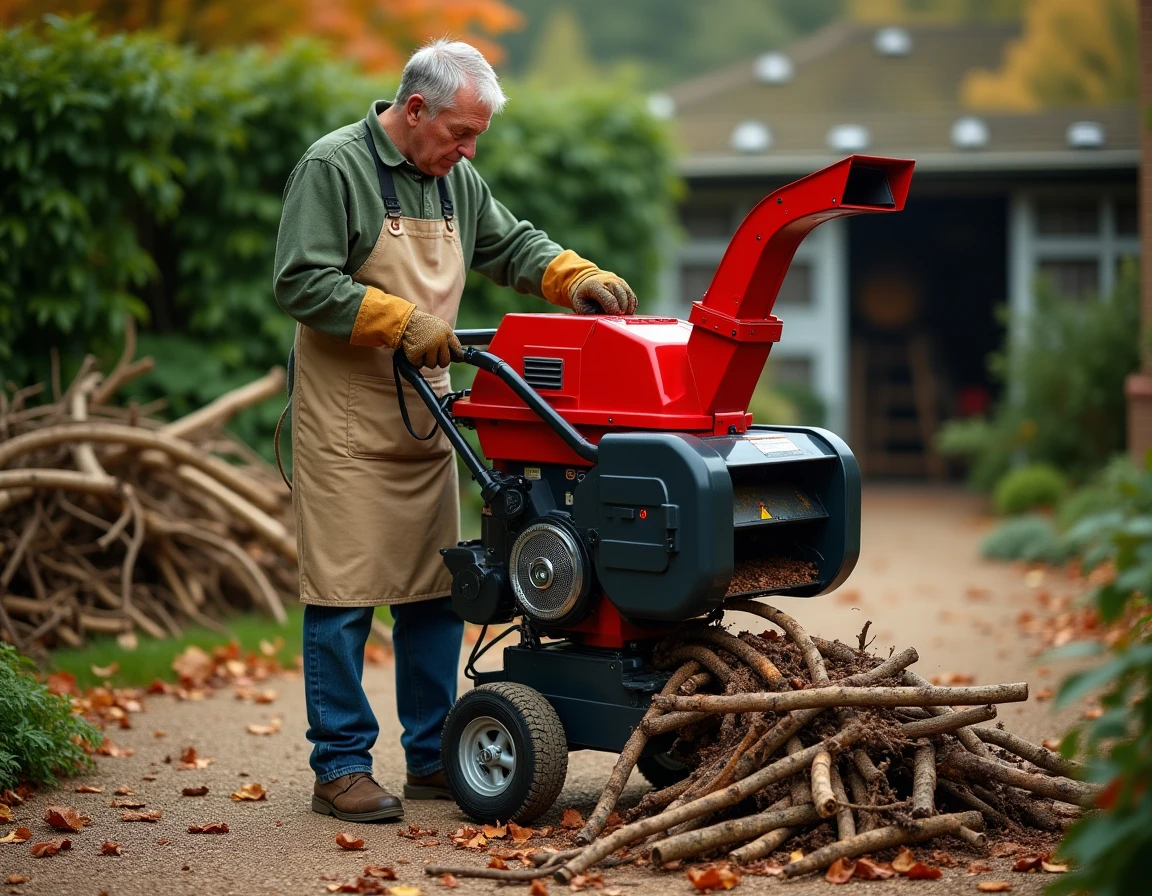
An electric garden shredder of 3000W refers to a device capable of delivering high nominal power for a mains-powered motor. The Mantis 3000W is positioned in this segment, designed for medium-sized gardens where hedge trimming, shrubs, and fruit trees regularly produce volumes of branches to be reduced.
Nominal power and actual performance of the Mantis 3000W shredder
Displaying 3000W on the product sheet is not enough to guarantee effective shredding. Recent comparisons confirm: the cutting system, the useful diameter, and the drive speed weigh as much as the power in the final result. The Mantis 3000W relies on an electric motor coupled with a cutting mechanism designed to accept branches of significant diameter, but the perceived performance mainly depends on the consistency of the shredding and resistance to jams.
Field feedback shows a clear distinction between dry wood and fresh wood. On dry branches, a powerful motor runs steadily and produces uniform chips. On wet material or dense foliage, the risk of jamming increases significantly, regardless of the displayed wattage. This point deserves attention during shredding sessions after spring pruning, when the sap is still flowing.
To delve into the technical specifications and user feedback for this model, the advice from broyeur-vegetaux.net details the key features to check before purchase.
Cutting system and shredding diameter: what differentiates the Mantis
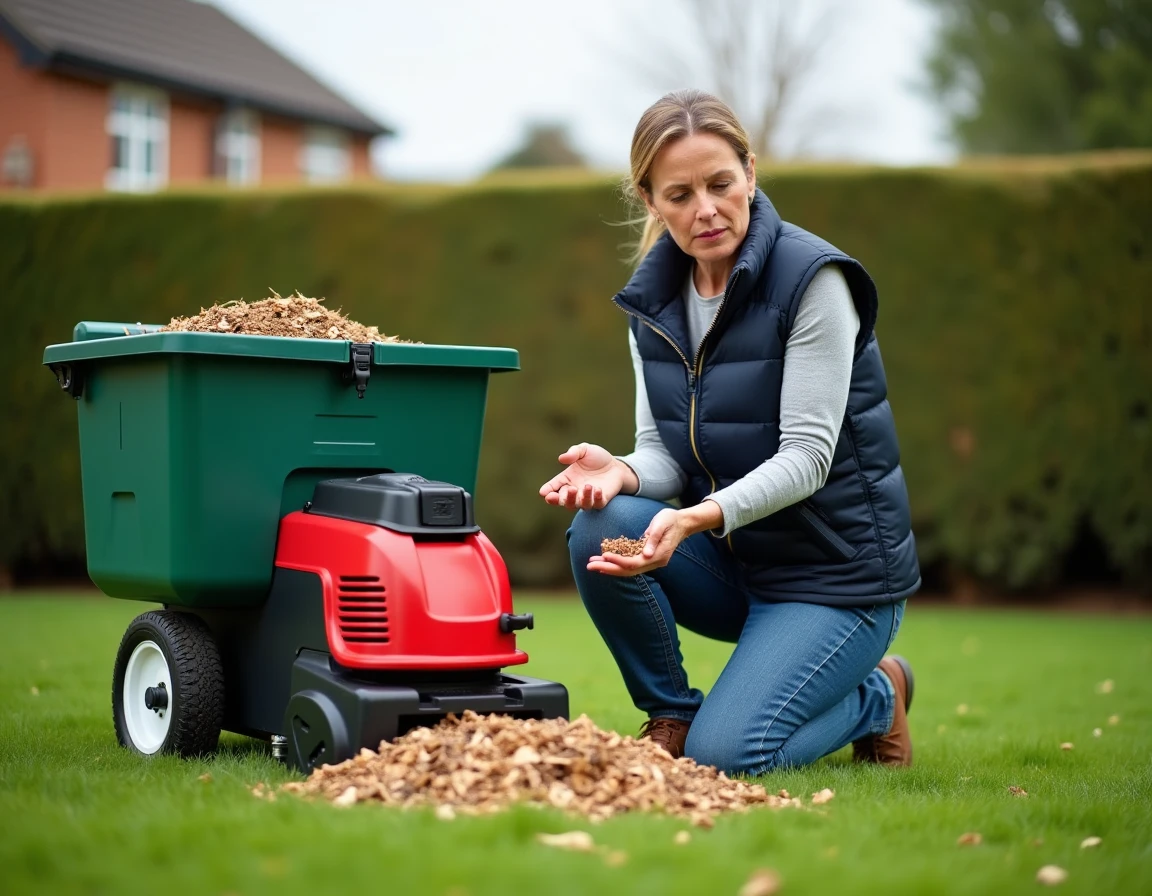
The type of cutting system determines the quality of the mulch and user comfort. Shredders are generally distinguished by blade systems (rotating plate), roller shredders, and turbine systems. The Mantis 3000W uses a mechanism designed to handle branches of intermediate diameter, placing it between entry-level small models and thermal shredders intended for large volumes.
Blades or rollers: two cutting logics
A blade shredder chops the vegetation by impact. The result is quick, but the mulch can be irregular on thin twigs or foliage. A roller shredder crushes and cuts by pressure, producing a more uniform mulch, suitable for composting or mulching.
The choice of cutting system directly conditions the use of the mulch: quality mulching requires regular chips, while a simple volume of waste to be disposed of tolerates coarse mulch. Checking the system installed on the Mantis 3000W before purchase allows you to anticipate whether the result will match the intended use.
Accepted useful diameter
The maximum branch diameter that the shredder can handle without forcing or jamming is often an underestimated criterion. Exceeding the stated capacity causes jams, premature blade wear, and a risk of motor overheating. On an electric model of this power, staying below the limit indicated by the manufacturer ensures smooth operation over time.
Safety and electrical compliance of the Mantis shredder
Safety on an electric shredder is not limited to the emergency stop button. The protection rating (IP) and the type of extension cord used have become differentiating criteria on recent models. A shredder used outdoors, sometimes on wet ground, requires appropriate protection against water splashes and dust.
- Check that the extension cord is sized to support the motor’s power (sufficient cable cross-section, limited length to avoid voltage drops).
- Ensure that the starting system prevents any accidental start-up, for example via a double switch or sequential locking.
- Check for the presence of an anti-jamming safety device that automatically cuts off the motor in case of blockage.
These elements, often absent from consumer product sheets, deserve direct verification on the model or in the technical manual of the Mantis 3000W.
Utilization of the mulch: composting and mulching in the garden
A garden shredder is not only used to reduce the volume of green waste. The mulch obtained is a resource for the garden, provided it is used correctly.
Mulch from dry branches is particularly suitable for mulching, as it decomposes slowly and protects the soil against evaporation. Spread in a thick enough layer around flower beds or at the base of hedges, it also limits the growth of weeds.
Mulch from green and wet material is more oriented towards composting. Mixed with other organic waste (peelings, grass clippings), it provides the carbon fraction necessary for balanced composting. The granulation of the mulch plays a direct role in the speed of decomposition: the finer and more regular the chips, the faster the process.
- Mulching: prioritize dry wood mulch, in a layer of several centimeters.
- Composting: mix green and brown mulch in balanced proportions.
- Disposal: the reduced volume facilitates transport to the waste disposal site when on-site recycling is not possible.
The volume reduction achieved by shredding is considerable, which eliminates the need for garden fires (prohibited in most municipalities) and reduces the number of trips to the waste disposal site.
The Mantis 3000W, due to its power and cutting system, produces mulch suitable for both uses, provided that the feeding speed is adapted to the type of vegetation introduced. Forcing the entry of wet branches in large quantities degrades the quality of the result and unnecessarily stresses the motor. Feeding the shredder with small, regular amounts remains the most reliable method to obtain homogeneous mulch and preserve the mechanics over the long term.