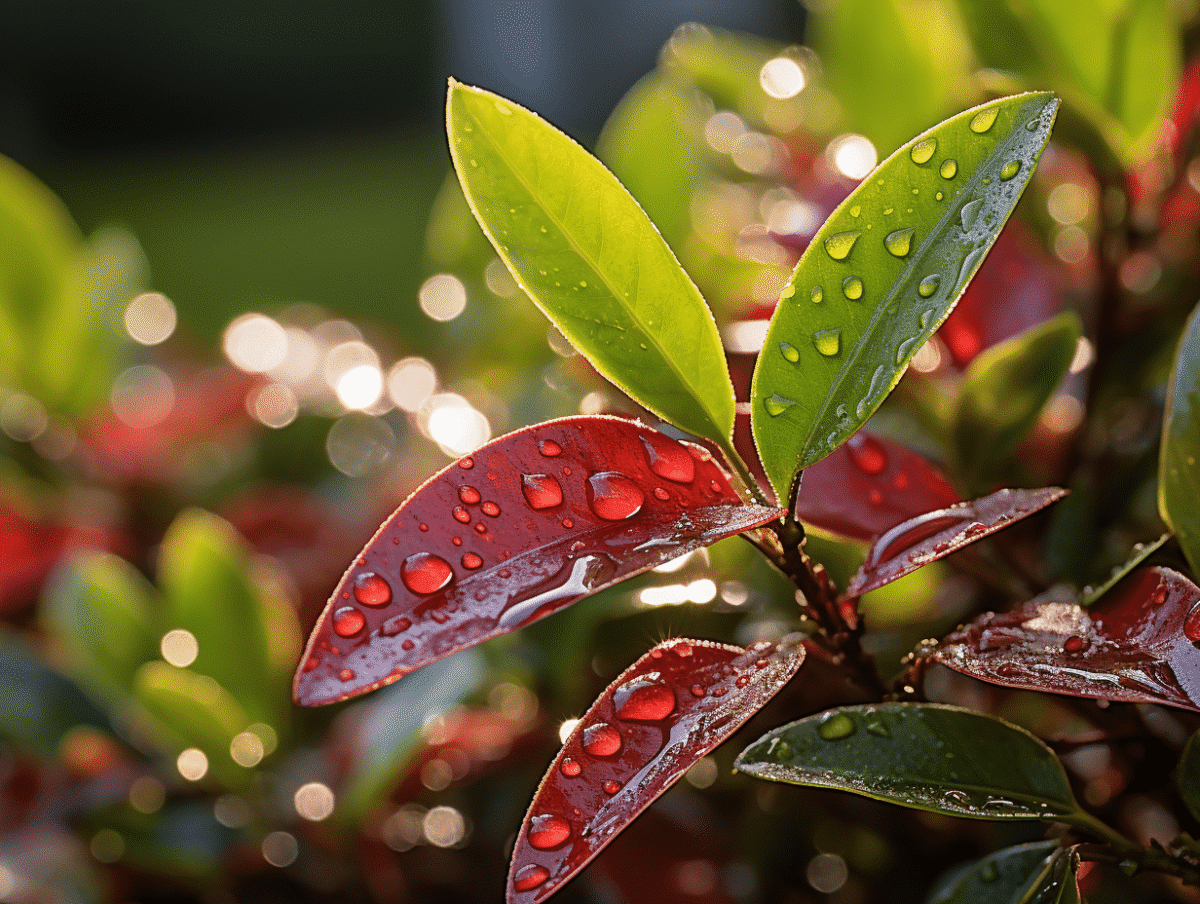
Photinia, with its glowing leaves and vigorous growth, is a popular choice for hedges and decorative gardens. To ensure that this ornamental plant reaches its full potential, it is essential to understand its specific needs. The key lies in the balance between adequate watering, sun exposure, and appropriate pruning methods. By adopting the right care practices, gardeners can promote healthy and rapid growth while preventing diseases and encouraging the splendor of the colorful leaves that make Photinia famous.
Essential steps for planting and maintaining Photinia
Planting Photinia: For your Photinia, the soil should be carefully prepared. Photinia thrives in soil with an ideal pH ranging from slightly acidic to neutral. Before planting, conduct a pH test and adjust it if necessary: use lime to raise the pH, sulfur to lower it. Also, ensure that the soil provides adequate depth for good rooting. Adding compost can improve soil structure and promote healthy and rapid growth.
Watering and fertilization: After planting, regular watering is crucial to establish your shrub. Use a soil moisture tester to avoid overwatering, which could be detrimental. For the maintenance of Photinia, appropriate fertilization is necessary. Opt for a balanced fertilizer with an NPK ratio of 10-10-10 or 14-14-14, providing nitrogen, phosphorus, and potassium in equal amounts to support the growth of your plant in all its dimensions: leaves, roots, and flowers.
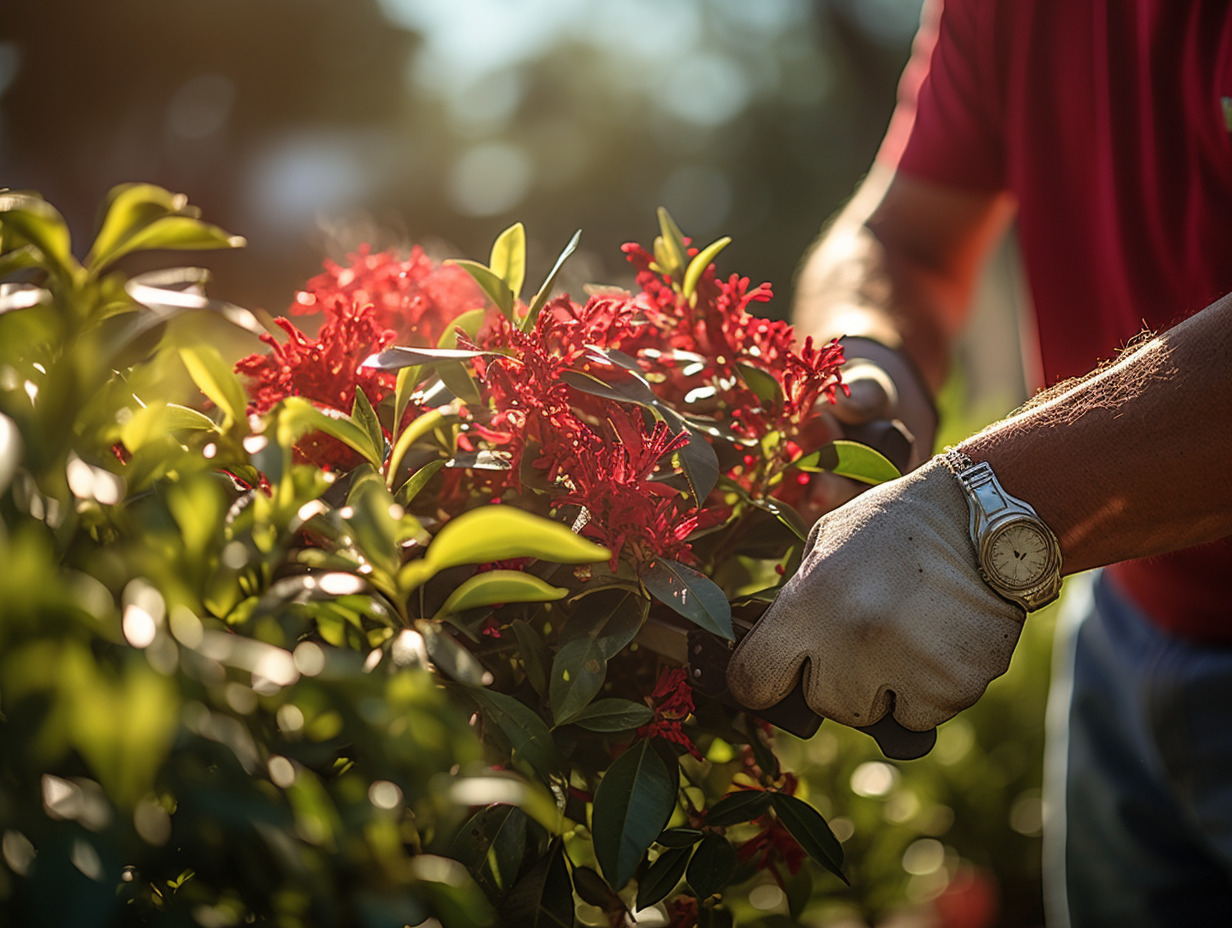
Pruning for optimal growth: Photinia ‘Red Robin’, like other varieties of Photinia fraseri, requires regular pruning to maintain an aesthetic shape and encourage dense foliage. Trim the tips of young shoots to stimulate branching and perform formative pruning at the end of winter or early spring. The tips for maintaining Photinia emphasize gentle and gradual interventions to avoid unnecessarily stressing the plant, which could slow its growth or make it vulnerable to diseases.
Prevention and treatment of common problems affecting Photinia
Constant monitoring: For your Photinia, vigilance is key to enduring health. Regularly observe the appearance of the leaves. If discoloration or brown spots appear, act promptly. Prevention involves good drainage to avoid excess water and adopting a balanced fertilization program, avoiding excessive nitrogen that could promote fungal diseases.
Infection control: If your shrub shows signs of fungal infection, such as spots on the leaves or burning at the edges, prompt treatment with appropriate fungicides is imperative. Prefer environmentally friendly products and strictly follow the manufacturer’s instructions to avoid further damage to the plant.
Nutritional balance: Fertilizer for Photinia should contain essential elements: nitrogen (N), phosphorus (P), and potassium (K). An excess of nitrogen can lead to rapid leaf growth, making them more vulnerable to diseases. Moderate nitrogen input and ensure that the fertilizer has a balanced NPK ratio to keep your plant healthy.
Targeted interventions: In the face of diseases and pests, specific measures are often necessary. Whether biological or chemical treatments, select solutions that have proven effective and environmentally friendly. Consult experts or specialized guides for proper application and optimal results, thus preserving the vitality of your Photinia.