RE2020 has imposed a drastic reduction in greenhouse gas emissions in the building sector since January 2022. However, some bio-based materials still struggle to compete with traditional concrete, despite their low environmental impact. Professionals note an acceleration in innovations but report that the market is still hindered by standards, high initial costs, and a lack of skilled labor.
The new construction models focus on hybrid solutions and modularity. Strategies are emerging to optimize the management of water, energy, and waste from the design of the housing.
Why the ecological house is becoming the new standard in 2025
It is impossible to ignore the reality: buildings alone account for 44% of greenhouse gas emissions in France. In the face of this heavyweight, RE2020 has swept away RT2012, setting the tone for a true overhaul of construction habits. It’s more than just a technical issue: it’s a revolution in the way we think about our habitats. Today, the ecological house is establishing itself as the norm towards which all projects converge, far from being just an alternative choice. Ambitions no longer stop at energy performance; now, the environmental impact is scrutinized throughout the building’s life, from design to deconstruction. New constructions are taking various forms: eco-responsible houses, passive houses, bioclimatic houses, or even BEPOS (positive energy buildings). These options share one goal: reduce the carbon footprint through bio-based materials and innovative solutions, directly aligned with the commitment to carbon neutrality by 2050. Wood is favored, insulation is optimized, renewable energies are integrated, and resource management is adopted sensibly. The result? Healthier homes, where indoor air quality is no longer a secondary consideration. This transformation is part of a deeper trend. Future homeowners are looking for housing that combines environmental respect, long-term savings, and responsible values. The enthusiasm for BBC labels, RE2020 certification, and initiatives like Bâti Activ testify to this. To learn more about Maison Future Co, the dedicated page for the ecological house and the habitat of tomorrow is full of feedback, analyses of the latest trends, and concrete solutions to take the leap differently.
What innovations are transforming sustainable construction today?
Sustainable construction is no longer limited to tracking energy losses. It revisits every step, from the choice of raw materials to daily uses. At the heart of the movement are bio-based materials. Here are some notable examples:
- Wood, hemp, straw, raw earth: these local and renewable resources reduce the carbon footprint and offer remarkable thermal performance.
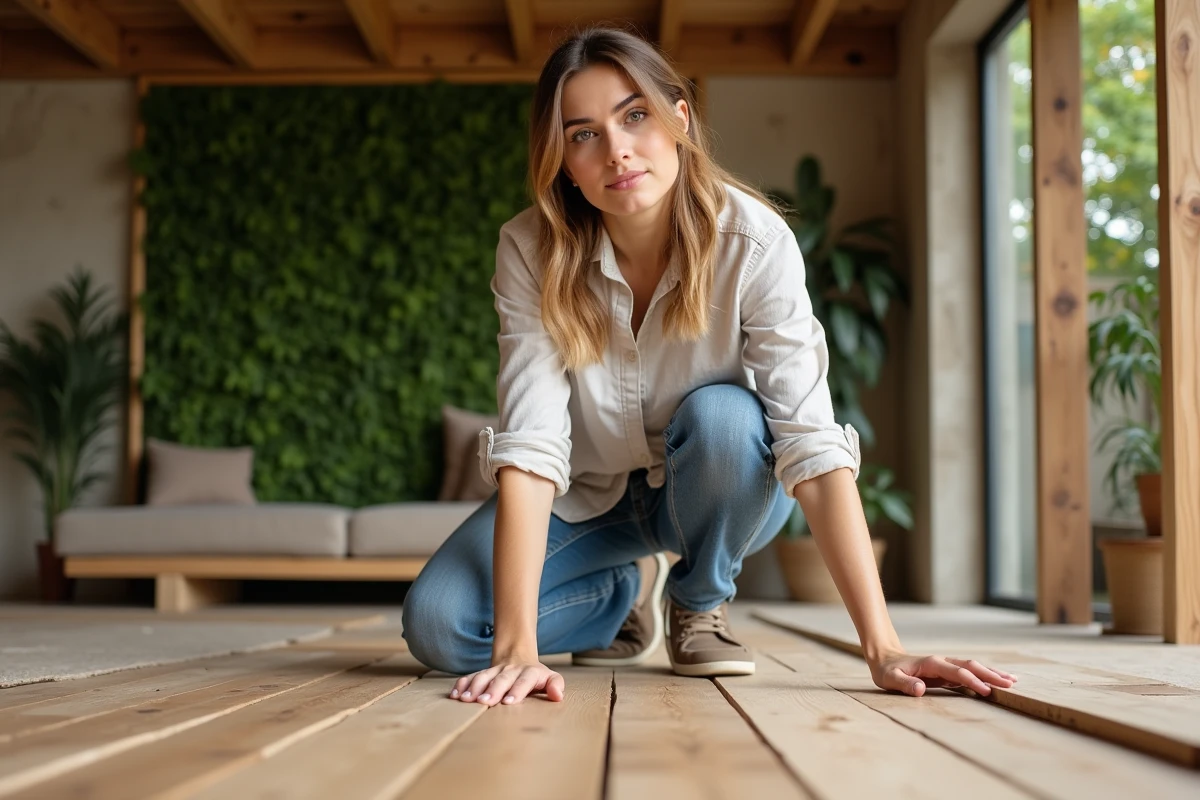
- Solid wood, in particular, outperforms concrete in insulation, which explains its success in wooden houses and recent extensions.
- Hemp absorbs CO2, straw insulates without polluting, and raw earth naturally regulates humidity and stabilizes indoor temperature.
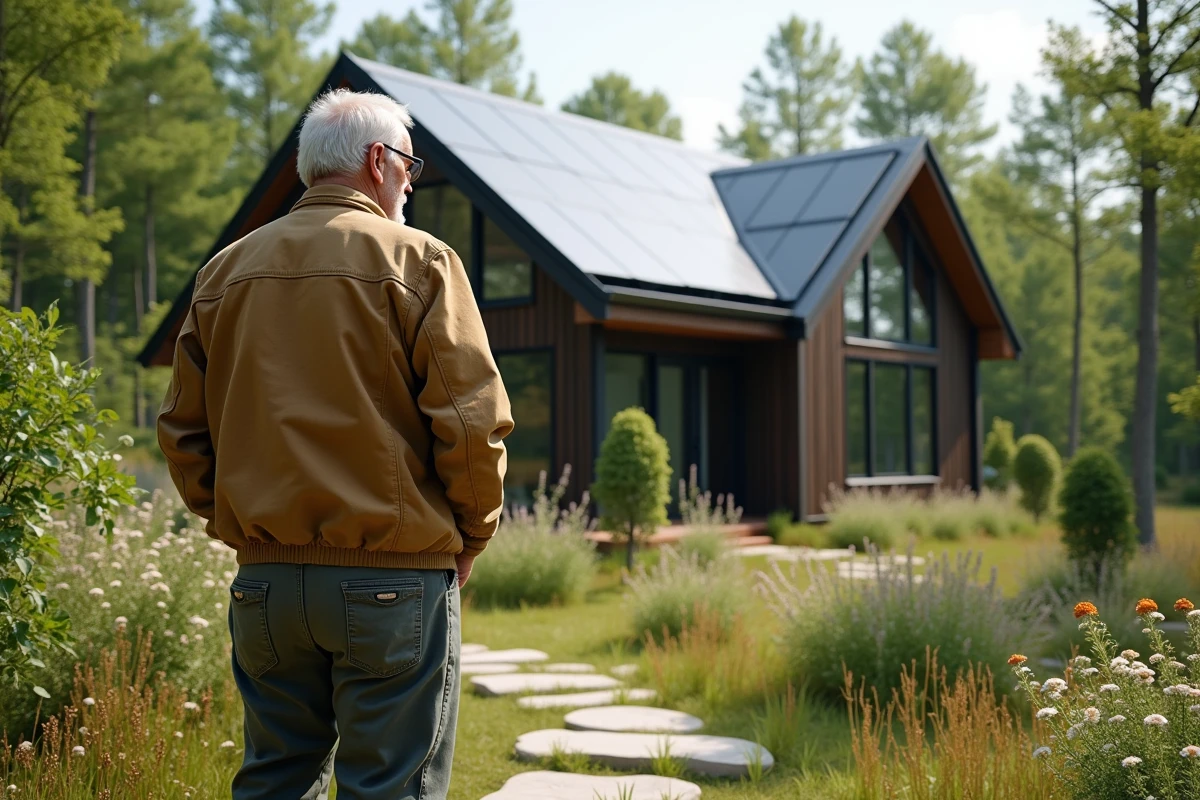
Innovative materials have never been more talked about in the quest for energy performance. Aerogel, for example, impresses with its lightness and insulating power. Monomur bricks, or solid wood blocks, reinforce the building envelope. On the equipment side, the heat pump revolutionizes heating bills, while the double-flow VMC improves ventilation. Solar panels, whether thermal or photovoltaic, transform the house into a small production plant. Home automation changes the game in daily life. Controlled heating, smart lighting, adapted ventilation: everything becomes simpler, more responsive, and more economical. Connected buildings react and anticipate the needs of residents to optimize every kilowatt-hour. Biophilic architecture and green roofs reconnect the city to nature, creating islands of biodiversity and well-being. Finally, rainwater harvesting, triple glazing, and eco-friendly paints complete the picture of an ecological house in tune with its time.
Practical tips for easily integrating eco-responsible trends at home
The ecological house is no longer a distant idea reserved for a few insiders. Today, there is a range of concrete solutions, often simple to implement. Replacing bulbs with LEDs immediately reduces electricity consumption, especially if combined with triple glazing to limit heat loss and noise pollution. Opting for eco-friendly paints or clay plasters helps purify indoor air while respecting the environment. Switching to home automation simplifies daily life: a centralized system regulates heating, lighting, and ventilation according to your habits. The result is finer energy management and immediate savings. Installing photovoltaic or thermal solar panels allows for the production of some of your electricity or heating water, especially if you add a heat pump to cut heating bills. Rainwater harvesting is a clever and accessible gesture: a few pieces of equipment are enough to supply toilets, washing machines, or water the garden, while preserving drinking water resources. Biophilic architecture invites nature into the home: greening, openings to the outside, modular spaces, adaptation to teleworking… all avenues for a living, evolving habitat. Finally, legislation now requires the presence of charging stations for electric vehicles in new housing, already anticipating future uses.
Here is a concrete summary of the major actions to easily adopt:
- LED and triple glazing: energy efficiency
- Eco-friendly paints: health and environment
- Home automation: smart control
- Solar panels and heat pumps: energy autonomy
- Rainwater harvesting: sustainable management
- Charging station: anticipating mobility
The houses of tomorrow are being invented today, shaking up the codes at every step. It is up to everyone to decide whether their next address will be a simple building… or a manifesto for a more responsible future.