In the human body, the formation of blood clots can be a natural phenomenon in response to an injury, in order to prevent bleeding. Their presence can also become problematic, especially when they form inappropriately and obstruct blood vessels, leading to potentially fatal conditions such as pulmonary embolisms or strokes. Considering methods to promote the natural dissolution of these clots is therefore essential to prevent these complications. This could be achieved through a series of lifestyle changes, diet, and exercise, as well as the use of natural remedies.
Blood Clots: A Danger Not to Be Underestimated
The dangers of blood clots are both numerous and significant for the individual affected. When a clot forms in the blood vessels, it can partially or completely obstruct blood flow, resulting in a notable decrease in the oxygenation of surrounding tissues. Serious events can then occur: a stroke if this happens in the brain; a potentially fatal pulmonary embolism if located in the lungs.
In light of these serious risks, an essential question deserves to be asked: ‘How long does it take to dissolve a clot?’. This question is far from trivial as each situation is unique and depends on factors such as the size of the clot and its precise location in the body. Generally, it takes anywhere from a few days to several weeks to naturally dissolve a small clot.
However, this reality should not diminish the importance of natural methods that can help accelerate this dissolution process. For example, adopting a balanced diet rich in natural anticoagulants • such as garlic or ginger • strongly promotes blood fluidity while preventing the excessive formation of platelets responsible for new clots.
Moreover, it is also important to emphasize that engaging in regular physical activity effectively contributes to improving our blood circulation and thereby facilitates both the prevention and dissolution of formed clots. Moderate-intensity exercises such as brisk walking or cycling are particularly recommended in this regard.
Additionally, there are other natural strategies that can support the clot dissolution process. Notably, natural fibrinolytic enzymes such as nattokinase and bromelain can effectively break down the fibrin fibers present in clots.
In summary, to best optimize ‘how long it takes to dissolve a clot’, an integrative approach combining balanced diet rich in natural anticoagulants, regular physical activity, and appropriate use of natural remedies seems entirely suitable. However, it is essential to first consult a healthcare professional to obtain a personalized assessment and appropriate medical advice.
Risk Factors: Better Understanding Blood Clot Formation
The risk factors for blood clot formation are numerous and varied. They can be related to pre-existing medical conditions or certain behaviors and lifestyle habits. It is important to be aware of them in order to adopt the necessary measures to reduce these risks.
One of the main risk factors is thrombophilia, a disorder that makes the blood more prone to forming excessive clots. This condition can be hereditary or acquired, and it is important to be attentive to family history as well as any symptoms that may indicate thrombophilia.
Balanced Diet: An Effective Weapon Against Blood Clots
A balanced diet plays an essential role in the prevention of blood clots. By adopting a conscious approach to your diet, you can promote the natural dissolution of clots and thus reduce the risk of potentially serious complications.
To begin with, it is important to emphasize the significance of adequate consumption of fresh fruits and vegetables. These foods are packed with essential nutrients such as vitamins, minerals, and antioxidants that help maintain smooth blood circulation. The bioactive compounds found in certain fruits like citrus or berries can also have a positive effect on cardiovascular health by inhibiting platelet aggregation.
Speaking of platelets, it is important to pay particular attention to the fats consumed. A diet high in saturated fatty acids primarily from processed foods can contribute to excessive platelet activation and thus promote the formation of unwanted blood clots. In contrast, favoring unsaturated fats found in avocados, vegetable oils, and fatty fish can help maintain normal blood coagulation.
Let us not forget the beneficial power of dietary fibers for our circulatory system. Soluble fibers found in certain foods like oat bran or legumes can help reduce cholesterol levels in the blood, which is essential for preventing excessive clot formation. By incorporating these foods into your daily diet, you also promote good intestinal transit and healthy digestion.
It is important to mention the positive impact of adequate hydration on blood fluidity. Drinking enough water throughout the day helps avoid excessive blood viscosity and thus facilitates its circulation in blood vessels. Dehydration can increase the risk of blood clot formation, so it is crucial to maintain an optimal level of hydration.
Adopting a balanced and conscious diet is a key element in preventing blood clots. By prioritizing foods rich in essential nutrients, avoiding saturated fats, and promoting the intake of soluble fibers as well as good hydration, you naturally strengthen your defenses against these unwanted formations. It is important to remember that each individual has specific needs and it is advisable to consult a healthcare professional before making any significant changes to the existing diet.
Physical Activity: An Ally in Dissolving Blood Clots
The importance of physical activity in promoting the dissolution of blood clots
In addition to a balanced diet, it is crucial to highlight the fundamental role that physical activity plays in the dissolution of blood clots. By staying active and regularly engaging in physical exercises suited to your capabilities, you can stimulate your circulatory system and thus promote a natural process of clot dissolution.
When you are physically active, your heart rate increases and your blood vessels dilate to allow better blood circulation. This increase in blood flow facilitates the transport of oxygen and essential nutrients to body tissues, including those that may be affected by the presence of clots.
Exercise also stimulates the production of fibrinolytic enzymes in your body. These enzymes are responsible for breaking down the insoluble fibers that make up blood clots. The more you exercise regularly, the more you encourage this beneficial action on the natural dissolution of clots.
It should be emphasized that one should start with light exercises such as brisk walking or swimming before gradually intensifying sessions according to physical capabilities.
It is recommended to consult a healthcare professional before starting any exercise program, especially if you have medical history or are taking specific medications. This will allow for the adaptation of exercises to your individual situation and avoid any potential complications.
Physical activity plays an essential role in the natural dissolution of blood clots. By stimulating your circulatory system and promoting the production of fibrinolytic enzymes, you enhance your ability to dissolve unwanted formations. However, remember that a progressive and tailored approach to your needs is crucial to ensure a safe and effective practice of physical exercise.
Natural Methods: Alternatives for Dissolving Blood Clots
The use of certain medicinal plants for the dissolution of clots.
Beyond physical activity, there are also natural methods at our disposal to promote the dissolution of blood clots. Certain medicinal plants have proven to be effective in this quest.
Garlic, for example, has long been known for its beneficial properties on cardiovascular health. This natural ally contains active compounds such as allicin and organosulfur sulfides that have demonstrated their ability to prevent the formation of blood clots by helping to thin the blood and improve its circulation throughout the body.
Red vine, thanks to its richness in flavonoids such as anthocyanosides, also presents considerable interest when it comes to dissolving blood clots. These components act as natural anticoagulants by strengthening the walls of blood vessels and activating the fibrinolytic system.
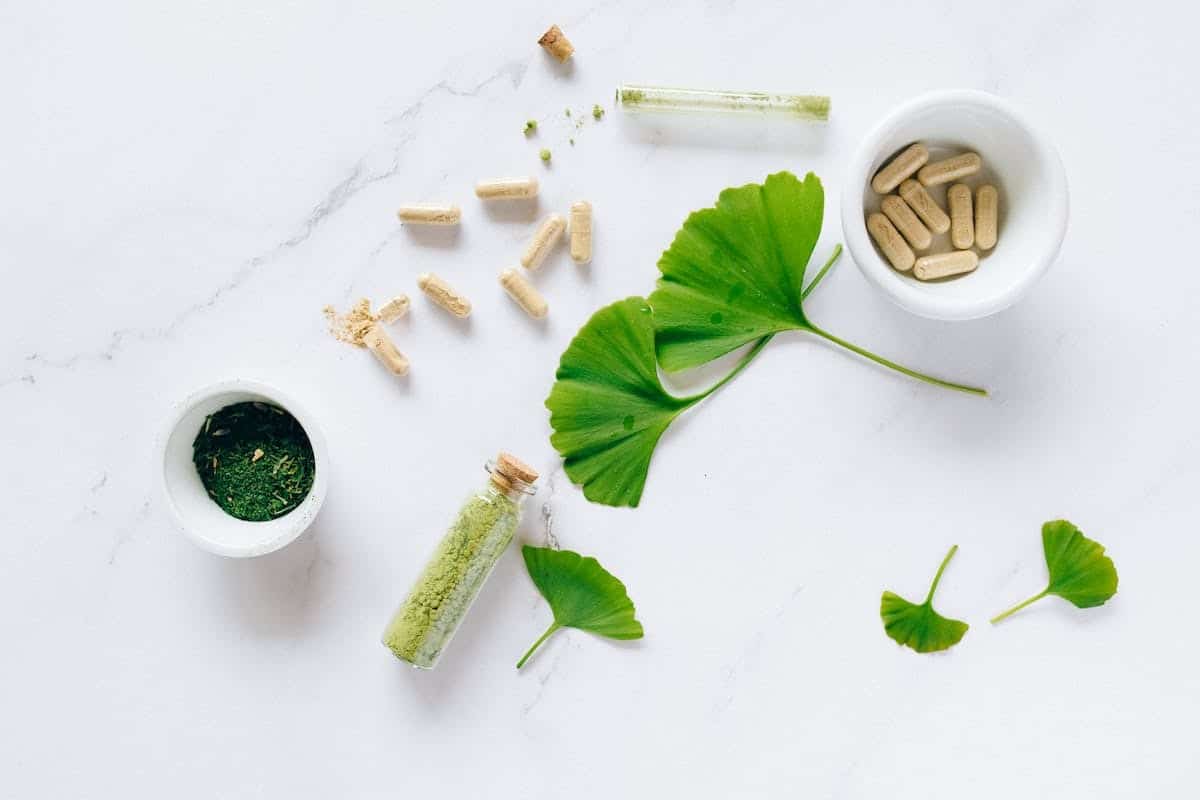
Speaking of beneficial herbs, the leaf of ginkgo biloba, rich in flavonoid glycosides and terpenolactones, can assist in the natural dissolution process of clots. This plant has long been used in traditional Chinese medicine to treat various circulatory issues.
It is important to emphasize that the use of these medicinal plants should be done with caution and under medical advice, especially if you are already taking anticoagulants or other medications. Potential interactions should be considered to avoid any adverse effects.
The natural dissolution of blood clots can be promoted through a combination of approaches, including a balanced diet, regular physical activity, and the judicious use of certain medicinal plants. It is important to take good care of our body.
It is important to note that these natural methods do not replace conventional treatments prescribed by a healthcare professional. If you have a thrombotic disorder or exhibit concerning symptoms related to blood clots, it is imperative to consult a specialist immediately for an accurate diagnosis and appropriate treatment.
Preventing and Dissolving Blood Clots: A Comprehensive and Natural Approach
It is crucial to adopt a holistic approach to prevent and dissolve blood clots. By adopting healthy lifestyle habits, such as a balanced diet rich in natural anticoagulants, as well as regular physical activity, we can help maintain our circulatory system in good health.
The importance of adequate nutrition cannot be overstated. Incorporating foods rich in omega-3s such as fatty fish (salmon, tuna) or whole seeds into our daily diet can help reduce the risk of blood clot formation. Red fruits and citrus are also beneficial due to their high content of vitamin C and flavonoids, which strengthen the walls of blood vessels.
Alongside adequate nutrition, physical activity plays an essential role in the prevention of blood clots. Regular exercise promotes blood circulation throughout the body and helps maintain optimal blood pressure. It is recommended to engage in at least 30 minutes of moderate exercise each day to fully enjoy its cardiovascular benefits.
Some medicinal plants can provide valuable support in this holistic approach to naturally dissolve blood clots. Herbs such as garlic with its anticoagulant power and red vine with its vessel-strengthening properties can be used in conjunction with other preventive measures mentioned.
It is important to emphasize that these natural methods should be used judiciously and under medical supervision. Potential interactions with other medications or specific medical conditions should be considered to avoid any adverse effects.
A holistic approach to preventing and dissolving blood clots involves a balanced lifestyle, adequate nutrition, regular exercise, and the cautious use of certain medicinal plants. It is essential to consult a healthcare professional before undertaking any new therapeutic strategy to individually assess potential risks as well as expected benefits. The natural dissolution of blood clots can be considered a complementary approach to conventional treatments prescribed by a specialist in order to optimize our overall circulatory health.