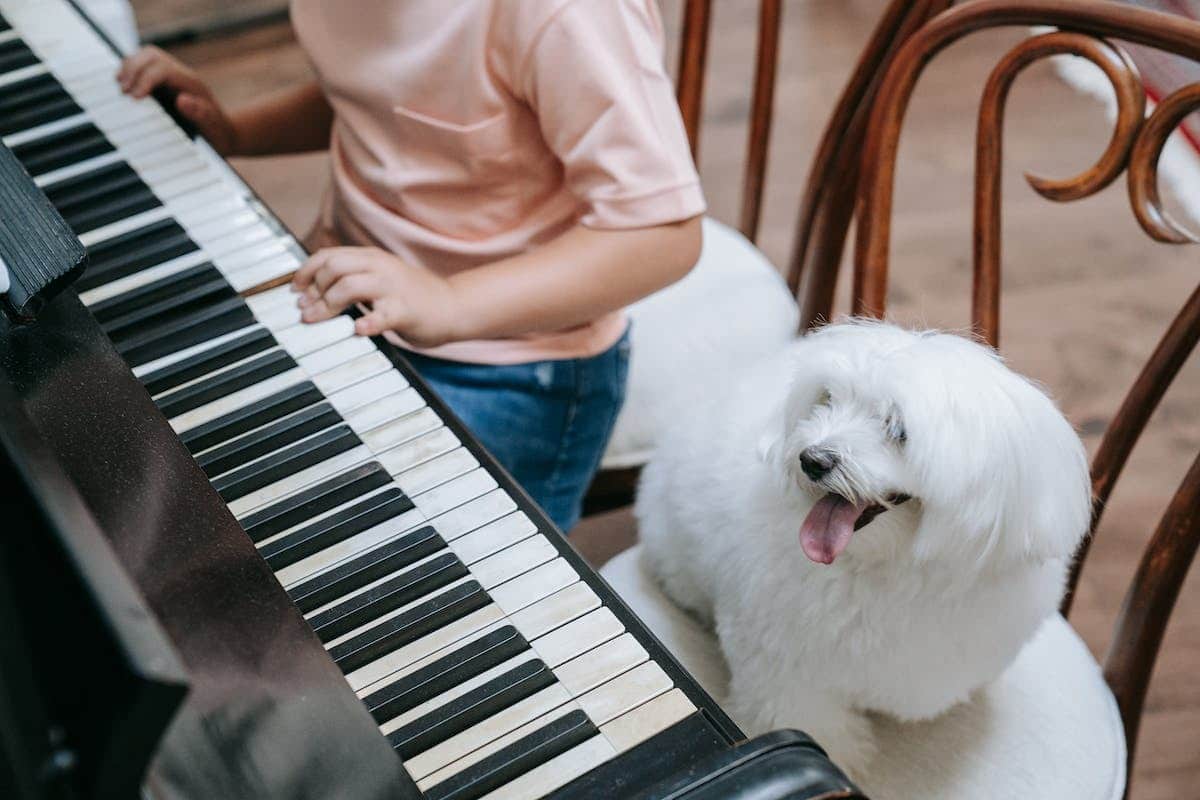
The air fills with melody, a classical symphony, soft jazz, or perhaps electro-pop. Yet, your four-legged companion doesn’t seem to appreciate this musical moment as much as you do. Instead, he howls, filling the house with his complaints, turning your sweet moment of relaxation into an animal cacophony. This canine behavior can be puzzling, frustrating, and especially concerning for loving pet owners. What can you do to soothe your dog when he reacts so negatively to music? Here are some suggestions to help you navigate this sound dilemma.
Understanding why dogs howl: deciphering the causes
Diving deeper into the link between music and dog behavior, especially for certain breeds like Huskies, is essential. It is precisely on this topic that we will address a recurring question: ‘why do Huskies howl’. Indeed, this specificity is not trivial and can be directly related to their relationship with music.
Huskies are known for their strong vocal expressiveness, primarily using howling as a means of communication. This ancestral characteristic likely comes from their wild ancestors – wolves – who used long howls to communicate over vast distances or express intense emotions such as excitement or anxiety.
In relation to music, certain sounds can trigger a deeply ingrained instinct in these animals. High or low notes may remind them of the tones used in their own vocal communications; therefore, they would respond by howling just as if another dog were barking nearby.
It is also possible that your Husky enjoys singing along with you! Their playful and social nature could explain why they seem to relish these improvised musical moments!
To soothe your dog when he howls due to music, various techniques can be implemented. You can work on his sensory adaptation: play different types of music softly while calmly rewarding your pet every time he remains silent during a melody. The idea is to gradually acclimate your Husky to various musical sounds without triggering his innate desire to howl.
Creating a safe and comfortable environment can greatly aid your efforts. Be sure to provide him with a quiet space to retreat to if he finds certain noises stressful or disturbing.
Discovering ‘why Huskies howl’ requires not only a deep understanding of the genetic heritage and natural behaviors of dogs but also a lot of patience when trying to temper these primal instincts in our modern environment filled with a multitude of varied sound sources.

Music and canine behavior: what an amazing link
When your dog howls at music, be sure to implement desensitization techniques to help him calm down. Desensitization is a gradual approach that involves slowly exposing your dog to sound stimuli so that he gradually becomes accustomed and develops a calmer reaction.
The first step in the desensitization process is to identify the specific triggers that provoke your dog’s howling. This could be a particular music genre, a certain pitch, or even a specific instrument. Once you have identified these triggers, you can start playing that music softly for short periods when your dog is already relaxed.
While the music plays, make sure to be present to closely observe your dog’s behavior. If you notice he starts showing signs of stress such as trembling, excessive panting, or restlessness, consider returning to a calming environment.
Repeat this process several times a day, gradually increasing the volume and duration of play. The goal is to slowly but steadily expose your dog to musical sounds while ensuring he remains relaxed throughout the session.
It may also be beneficial to associate desensitization sessions with positive rewards such as treats or petting when your dog reacts calmly to sound stimuli. This will reinforce the positive association between music and your dog’s calm behavior.
In parallel, be sure to create a relaxing environment for your dog. Ensure he has a comfortable space to retreat to when he feels stress or anxiety related to music. A cozy bed in a quiet room can be ideal for him to feel secure.
Don’t hesitate to consult a professional dog trainer who can guide you through this desensitization process and adapt techniques according to your dog’s specific needs.
Soothe a dog that howls at music requires a patient and gradual approach. Desensitization combined with a reassuring environment can help your pet develop a calmer reaction to sound stimuli. With patience and perseverance, you will be able to help your canine companion better manage his musical emotions and thus restore harmony within your home.
Desensitization: how to gently soothe your dog
When your dog howls at music, you need to provide him with effective relaxation methods to help him regain his calm. Relaxation can be a beneficial solution to reduce your pet’s anxiety and stress levels. Here are some approaches you can try:
Deep breathing: Just like humans, dogs can benefit from breathing techniques to relax. Encourage your dog to take slow, deep breaths by inhaling through the nose and exhaling through the mouth. You can also practice this technique with your dog by sitting close to him and mimicking him.
Massage: Massage can help release muscle tension and promote a state of relaxation in your dog. Use gentle, circular movements on different parts of the body, such as the back, shoulders, or legs. Be attentive to your dog’s reactions to adjust the pressure applied.
Soothing music: Use musical pieces specifically designed to calm anxious or stressed dogs. Choose soft music with a slow rhythm that will promote a calmer state in your pet.
Essential oils can also help create a relaxing atmosphere for your dog. However, consult an aromatherapy professional to choose the appropriate oils and dilute them correctly before use.
Compression therapy: Some dogs benefit from a sense of comfort and security when wrapped in a blanket or wearing a specially designed coat for compression therapy. This technique can help reduce anxiety in your dog by providing a soothing sensation similar to a hug.
Calm interactive games: Games that encourage concentration and thinking, such as food puzzles or enrichment toys, can help occupy your dog’s mind while gradually calming him down.
It is important to note that every dog is unique, so you may need to test different methods to find the one that works best for your pet. Be patient and persistent in your efforts to help your canine companion regain his emotional balance when music triggers his howling. If despite all your efforts, you see no significant improvement, do not hesitate to consult a behavioral veterinarian who can guide you more precisely according to your dog’s particular situation.
Relaxation: methods to calm your dog
In the process of soothing your dog when he howls at music, you need to reassure your dog, and this can influence his reactions to sounds.
Ensure that the space where your dog is located is calm and secure. Eliminate any potential stress sources such as loud noises or objects that could provoke his agitation. Create a comfortable space with a cozy bed where your dog can retreat when necessary.
Be sure to maintain a peaceful atmosphere in the house. Avoid heated discussions or noisy activities that could further disturb your pet. When listening to music, opt for soft and relaxing melodies to foster a serene atmosphere.
If possible, also isolate your dog from external sound sources that may exacerbate his howling by using soundproofing materials such as thick curtains or double glazing.
Environment and stimuli: the keys to soothe your dog
You must emphasize the importance of patience and consistency in the process of calming the dog. Like any living being, dogs need time to adapt to overcome their fears and anxieties.
When trying to calm your dog when he howls at music, it is crucial to be patient. Do not expect immediate results. Every animal is unique and will react differently to the techniques you use. It may take several sessions before your dog shows positive signs of calming.
Consistency is also a key element in this process. Dedicate time each day to help your dog gradually get used to the sounds that disturb him. Whether by playing music softly or slowly exposing your pet to controlled sound stimuli, regular exposure will help him gradually familiarize himself with these noises and thus decrease his excessive reactions.
Be attentive to your dog’s specific needs during this period. Observe his reactions, adjust your approaches if necessary, and do not neglect his overall well-being. Do not hesitate to seek advice from a professional dog behaviorist who can assist you in this process.
Soothe a dog that howls at music requires above all patience and consistency in our efforts. By understanding the reasons behind this behavior and adopting the right methods to support our companion, we can offer him a more serene and harmonious environment. The key lies in the love, patience, and perseverance we put into this calming endeavor.
Soothing your dog: patience and consistency are the secrets to success
In this section, we will discuss various techniques that can be used to soothe a dog when he howls at music. You should note that every dog is unique and may react differently to the proposed methods. You need to consider the specific needs of your four-legged companion.
You should create a calm and secure environment for your dog. Ensure that his resting area is comfortable and away from potentially stressful sound sources. Also, use familiar objects such as toys or a favorite blanket to provide him with a sense of security.
An effective technique is to use gradual desensitization to noise. Start by softly playing the music that triggers your dog’s howling, then gradually increase the volume over training sessions. Reward him with his favorite treats when he remains calm in the face of these sounds to reinforce the positive association in his mind.
Using a pheromone diffuser can also help soothe the dog by creating a relaxing atmosphere in the room. Pheromones mimic the chemical signals emitted by the mother dog, giving the dog a reassuring and peaceful impression.