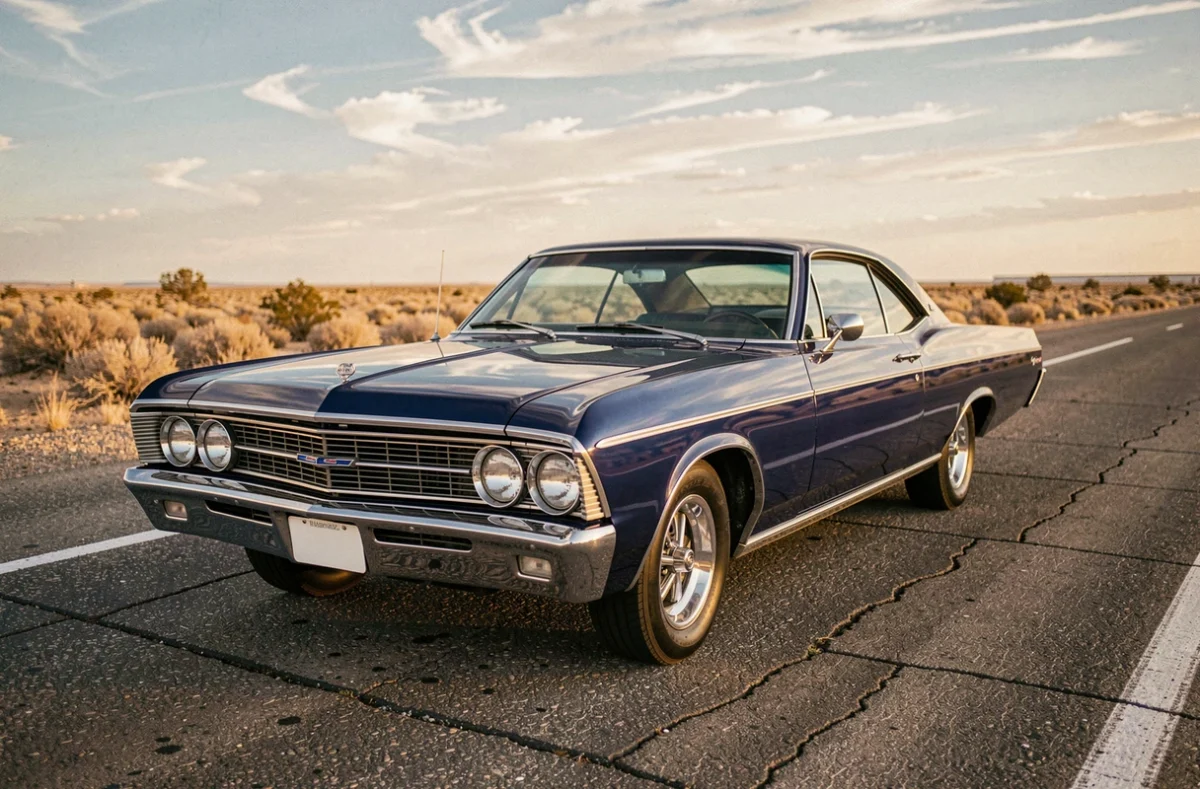
Between its launch in 1958 and the end of production on February 27, 2020, the Chevrolet Impala went through ten generations. Measuring what still fuels the passion around this model requires distinguishing technical and industrial facts from simple nostalgia. What concrete elements, from mechanical reliability to availability in the used market, explain why the Impala remains an active topic of conversation among American car enthusiasts?
Chevrolet Impala: recalls and reliability by generation
The reputation of a classic or used model partly relies on its recall history. Not all generations of the Impala are equal in this regard. Data compiled from NHTSA campaigns allow for comparisons of the weak points of the most common model years on the current market.
| Generation / Model Year | Main reported recalls (NHTSA) | Risk level for the buyer |
|---|---|---|
| Tenth generation, model year 2014 | Parking brake, steering, airbags, electronic wiring, transmission | High (numerous campaigns) |
| Tenth generation, model year 2016 | Fewer major recalls, five stars in NHTSA crash tests | Moderate |
| Tenth generation, 2017-2020 | Electrical issues reported by owners, declining recall volume | Moderate to low |
| Classic generations (1958-1972) | No comparable NHTSA tracking, reliability dependent on maintenance and restorations | Variable depending on vehicle condition |
The model year 2014 has a high number of recalls affecting critical components. For a buyer in the used market, the 2014 model year requires a thorough inspection before any purchase.
In contrast, the 2016 model year boasts a solid official safety record with its top rating in crash tests. However, owner feedback remains less consistent than this result suggests, particularly regarding electrical issues. For more in-depth information, check out the auto topics on Blog Automobile dedicated to the ongoing fascination with this model.
End of production in 2020 and absence of a direct replacement
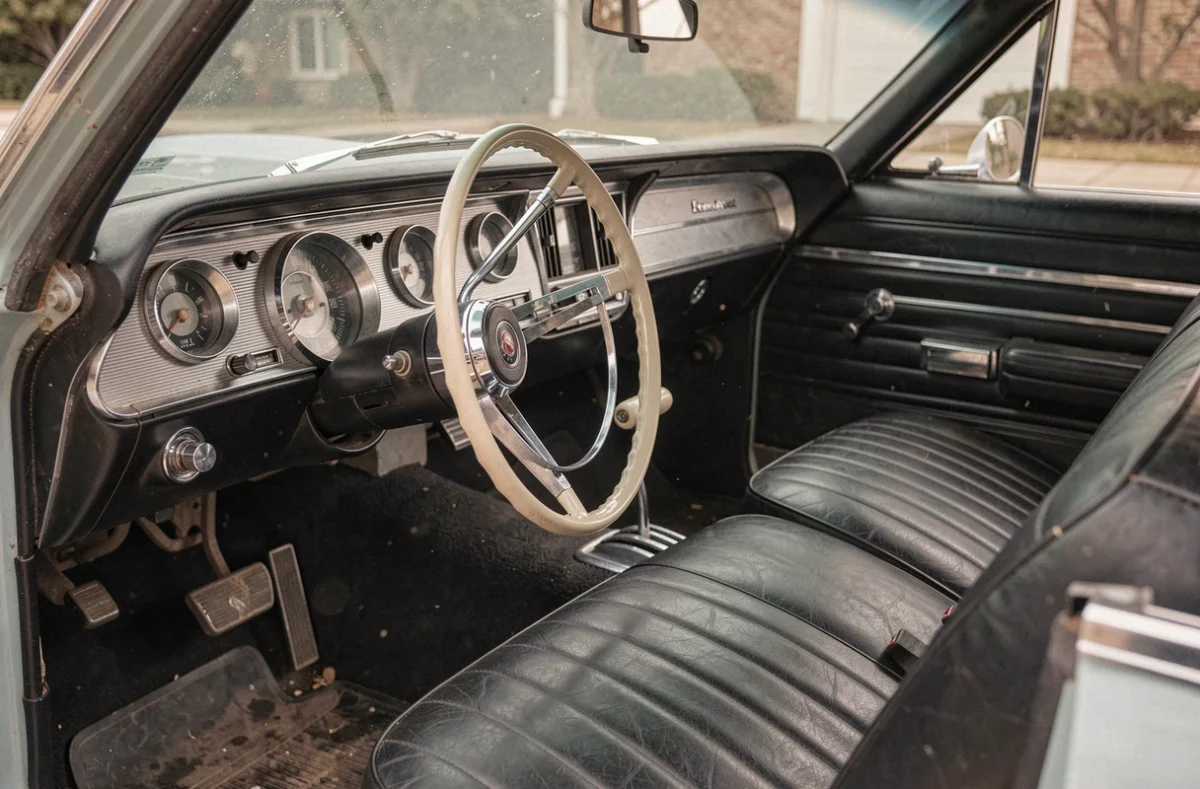
General Motors ended production of the Impala after the 2020 model year. This decision is part of the automaker’s gradual disengagement from sedans in favor of SUVs, crossovers, and electric vehicles. The last Impala rolled off the Detroit-Hamtramck assembly line on February 27, 2020.
This withdrawal from the catalog creates a unique situation in the used market. Searches for a “2023 Impala” effectively refer to the tenth generation (2014-2020). No Chevrolet sedan directly replaces the Impala, making recent examples the default choice for fans of accessible large American cars.
Impact on used market prices
The absence of a direct successor maintains steady demand for models from 2017-2020, which are less exposed to recalls than the 2014 model year. The segment of large American sedans has shrunk among most manufacturers, not just General Motors. Ford has discontinued the Taurus, and Dodge has ceased the Charger in its traditional form.
This scarcity of supply mechanically benefits the used Impala. A buyer looking for a recent full-size American sedan has few comparable alternatives in terms of space and price.
Chevrolet Impala as a collectible: what separates an original from a restomod
In the classic models segment, the distinction between an original example and a restomod (restoration with mechanical modernization) structures the market. Millennial collectors, often introduced through virtual reality simulations or popular culture, come with a specific expectation: to find the aesthetics of the 1960s with the reliability of a contemporary vehicle.
This gap between visual appeal and the reality of a mechanical system over fifty years old directs some buyers towards restomods. The points of divergence between the two approaches deserve to be clearly outlined:
- Impala “matching numbers”: original engine, transmission, and rear end matching the serial numbers. The value of these examples is increasing as their rarity grows with more cars being modified or dismantled for parts.
- Restomod: period chassis and body, but modern mechanics (fuel injection, disc brakes, revised suspension). The conversion cost varies significantly depending on the level of modernization chosen.
- Electric conversion: emerging option, regulated by European legislation on classic vehicles. It raises the question of the loss of sound and mechanical authenticity, a determining factor for many enthusiasts.
Availability of parts in Europe
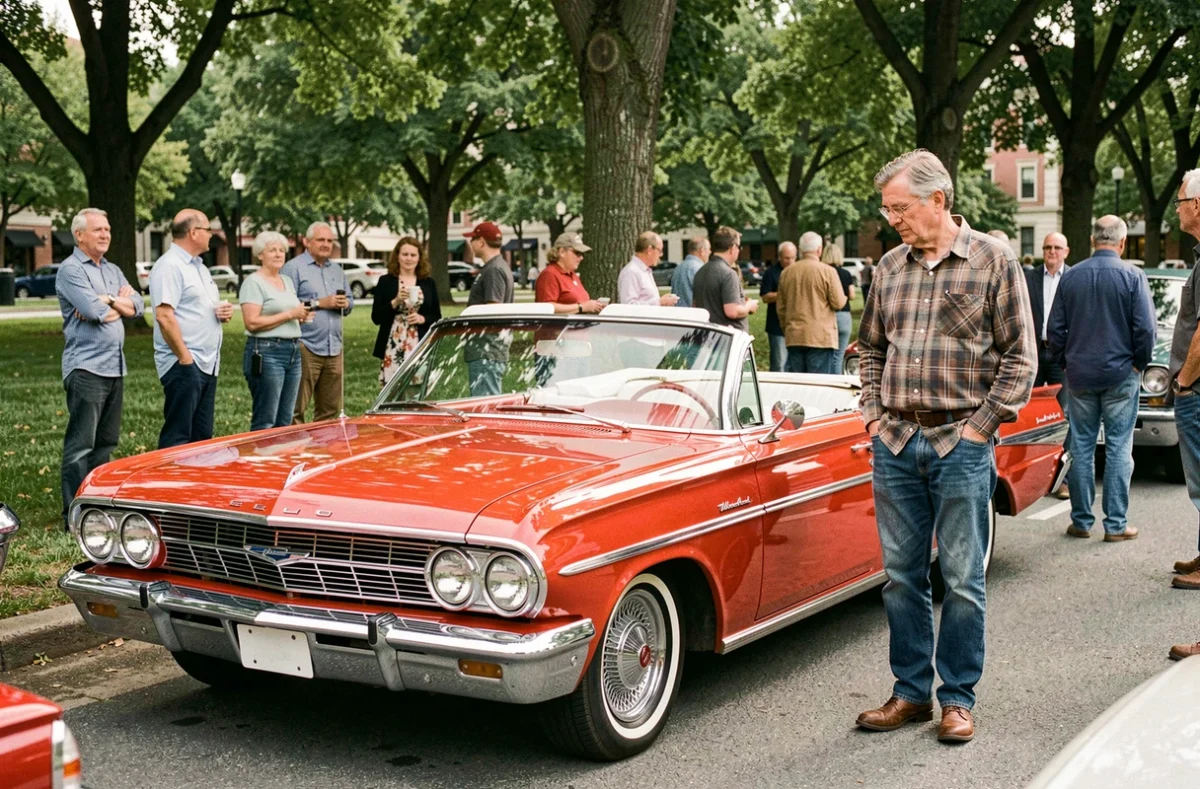
For European owners, the availability of spare parts remains a decisive purchasing criterion. The Impala benefits from a denser network of specialized suppliers than competitors like the Ford Galaxie, thanks to historically high production volumes of the model. This relative abundance of parts helps maintain collector interest on this side of the Atlantic.
Why the Impala remains a model to watch in the automotive market
The combination of factors that sustains the passion around the Impala does not fall under a single category. The end of production without a direct replacement supports demand for recent used models. In the collectible segment, the coexistence of original examples and restomods broadens the spectrum of potential buyers.
The reliability record varies considerably from generation to generation. An informed buyer will consult the NHTSA recall history before committing, particularly for the 2014 model years. Models from 2016-2020 offer the best compromise between documented safety and limited recall volume.
The Impala is not just an object of nostalgia. Its ongoing presence in the market, whether in recent used or collectible form, is based on measurable data: parts availability, safety history, and the absence of a direct alternative in the current Chevrolet catalog.